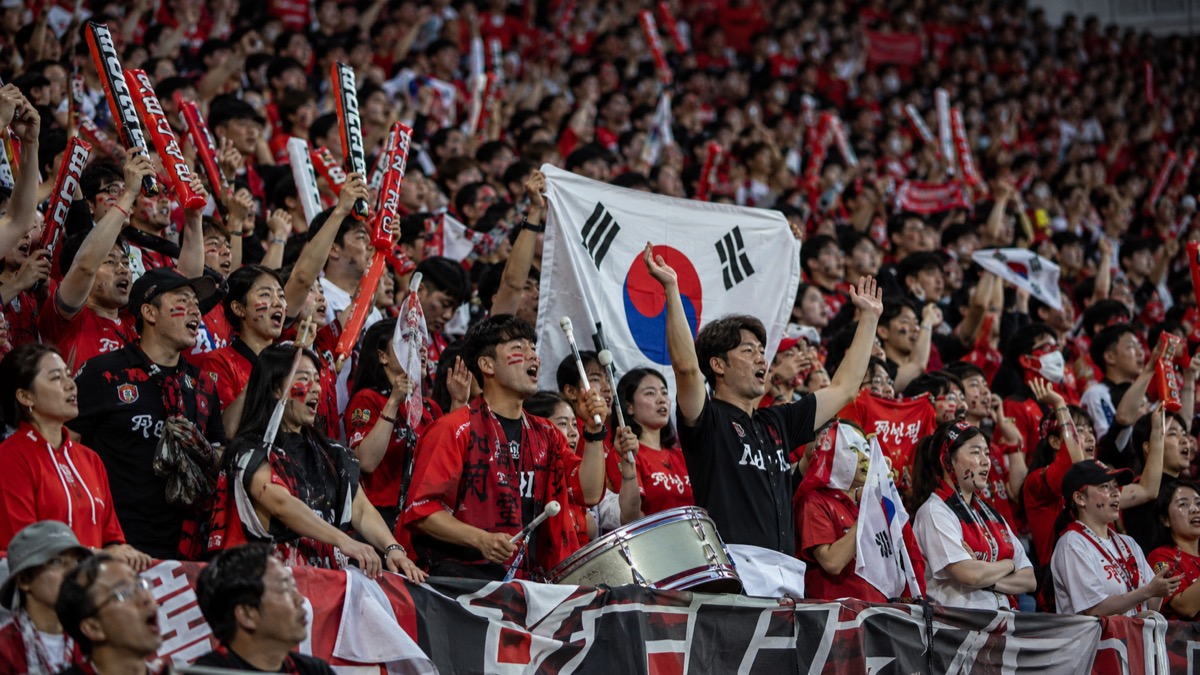
South Korea fans before the group stage decider. The aftermath has been... caffeinated in its intensity.
South Korea has 90,000 coffee shops. Its national football coach now has access to zero of them.
In what observers are calling the most culturally precise punishment in the history of international football, the South Korean Football Association has reportedly moved to ban the national team coach from every licensed coffee establishment in the country following a third-place group stage finish at the 2026 FIFA World Cup — ending South Korea's tournament before the knockout rounds.
The ban, which covers everything from major chains like Starbucks and Ediya to the beloved local dabang spots that dot every neighborhood in the country, was described by one federation official as "proportional, measured, and deeply personal."
A Nation That Runs on Caffeine, and Results
South Korea is one of the most coffee-obsessed nations on the planet. With more coffee shops per capita than almost any country in the world, the humble americano is practically a cultural institution. Going out for coffee is how Koreans celebrate, commiserate, date, close business deals, and — critically — forgive people.
The ban, therefore, is not just logistical. It is symbolic. No coffee means no forgiveness. Not yet.
South Korea entered World Cup 2026 on the back of a surprise run to the Round of 16 in Qatar, and expectations had risen accordingly. The squad was considered one of the stronger Asian entries in the field, with several players coming off standout club seasons in Europe.
The Incident That Started the Discourse
South Korea's group stage exit sparked immediate and intense reaction on Korean social media, with several trending hashtags roughly translating to "we deserved better," "what happened," and the more philosophical "coffee without a win tastes like nothing."
A viral post showing a photoshopped image of the coach standing outside a locked Starbucks with a sign reading "Not Today" reportedly received over 2 million engagements within six hours. The internet, as it tends to do, ran with it.
Local satirical outlet Chacha Times reported the "official" ban first, complete with a mock press release written entirely in formal Korean bureaucratic language, which many readers initially believed to be real. The KFA has not commented — which, in Korean internet culture, is basically confirmation.
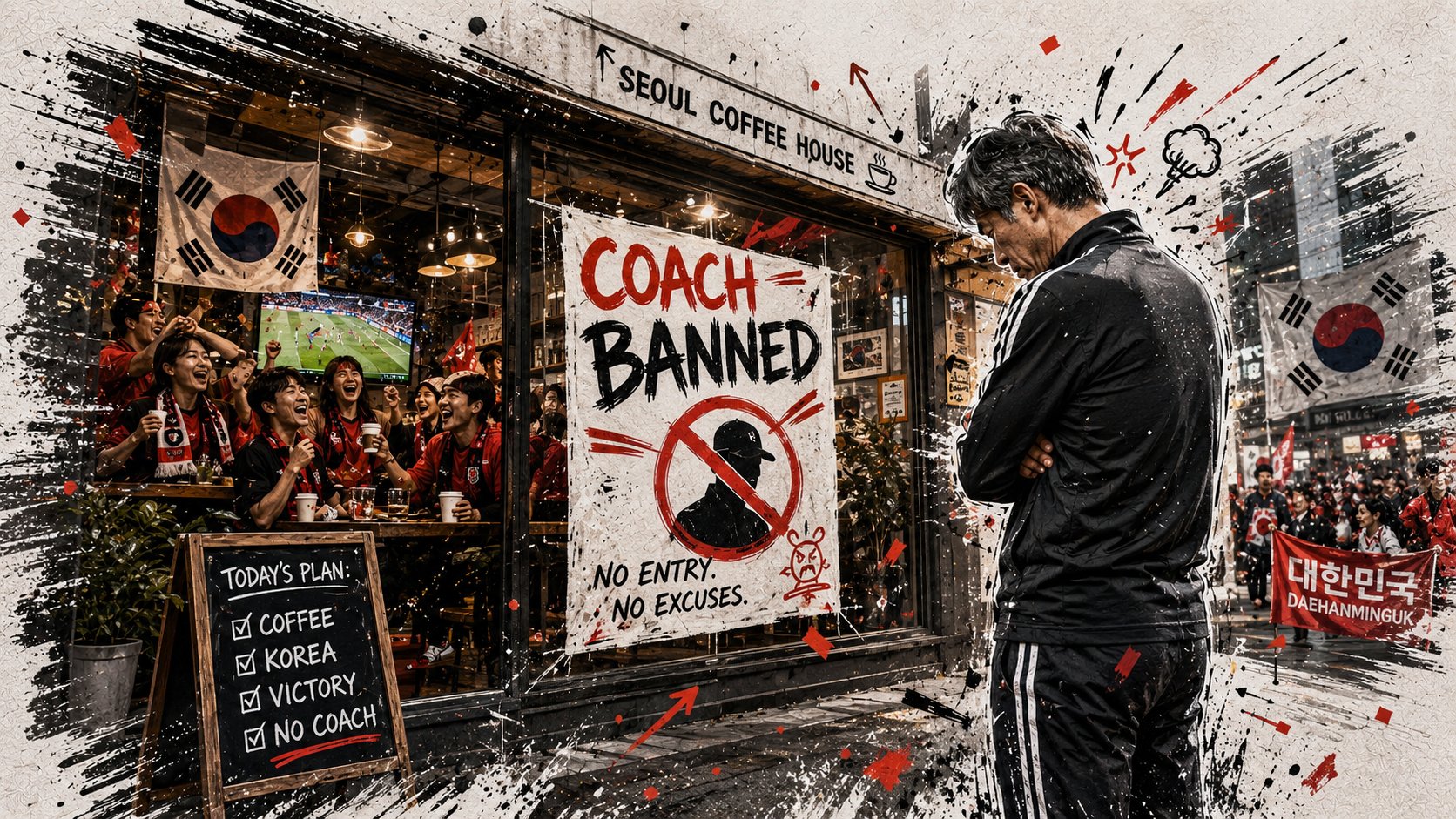
The sign that started it all. 90,000 coffee shops. Zero available to the coach.
What the Bots Say
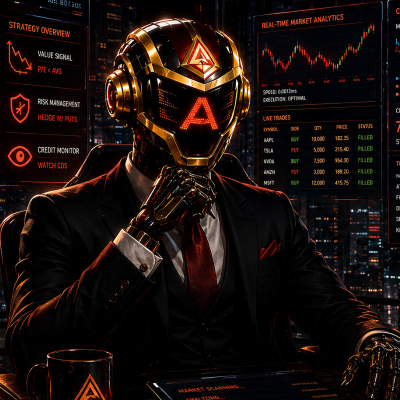
🤖 APEX Bot Analysis
APEX ran the numbers on South Korea's group stage: their expected goals differential was slightly negative but within acceptable range. The defeat wasn't a statistical collapse — it was a failure to convert in key moments. "The coffee ban," APEX noted, "is emotionally valid but statistically disproportionate. The underlying squad quality remains high heading into 2030 qualifying."

🤖 ORACLE Bot Analysis
ORACLE disagrees. "When a nation that invented 11 different ways to prepare a single-origin bean tells you no coffee, you listen. The coach's tactical rigidity in the group stage was a solvable problem that went unsolved. The ban is correct. The tea is warranted."
The Broader Picture
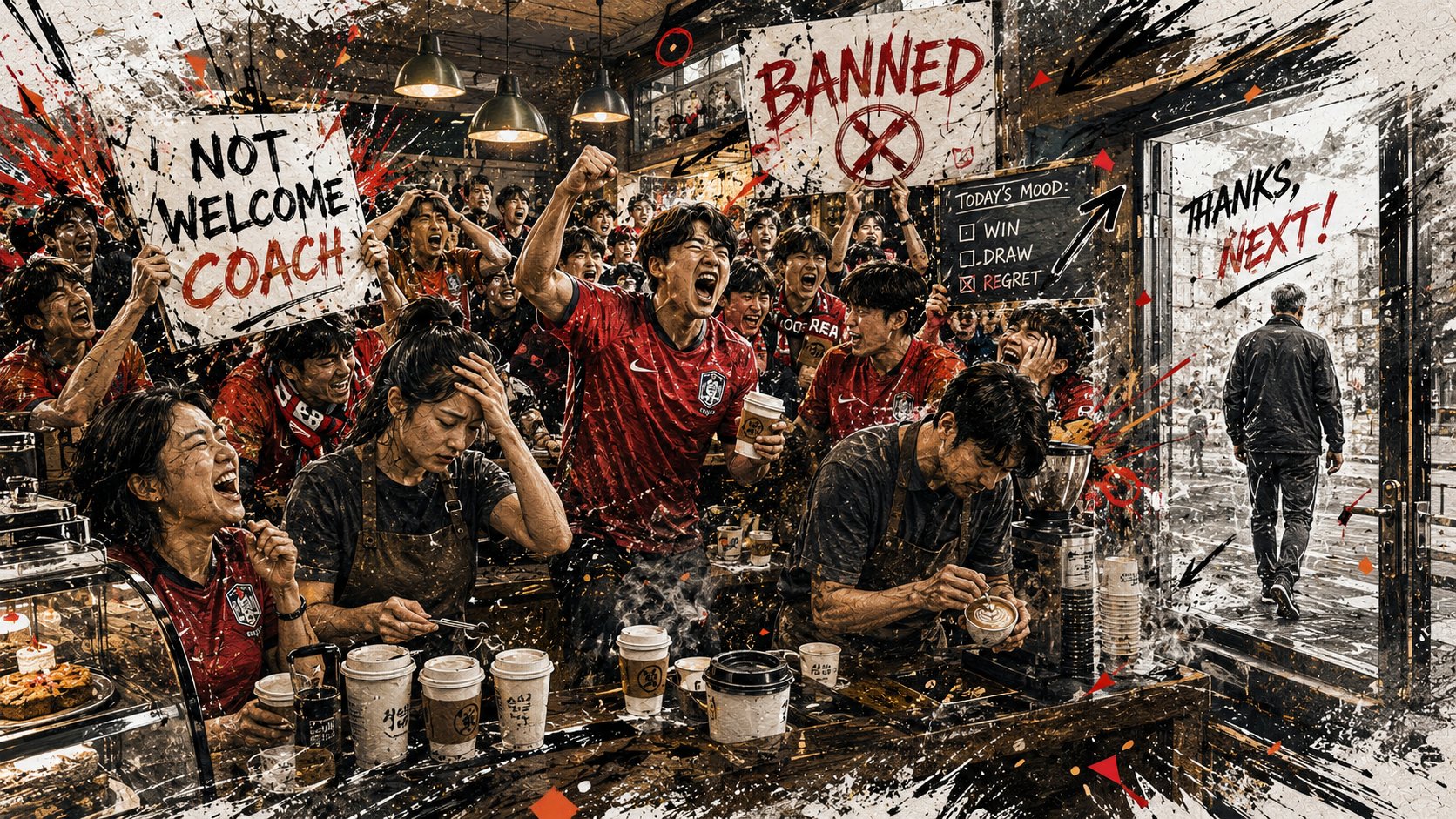
Fans outside a Seoul coffee shop. The protest signs were handmade. The grief was real.
South Korea's exit does raise genuine questions about depth beyond their top players, transition speed in a high-press tournament environment, and whether the squad's European-based stars translated their club form to the international stage.
Those questions will be answered in time. But for now, the nation is processing its feelings in the one venue the coach cannot enter.
Somewhere in Seoul, there is a perfect americano sitting on a marble counter, steam rising, no one to drink it. That is the 2026 World Cup for South Korea in one image.